


Explore Canada Your Way: Bilingual, Accessible Tours in Your Pocket

Today we dive into bilingual and accessible features in Canadian self-guided tour apps, showing how English–French interfaces, respectful Indigenous place names, screen reader support, high-contrast maps, captions, haptics, and step‑free routing help every traveler feel confident, independent, and inspired from Halifax to Victoria, through cities, small towns, and vast national parks.

Language Fluidity Across Provinces and Parks
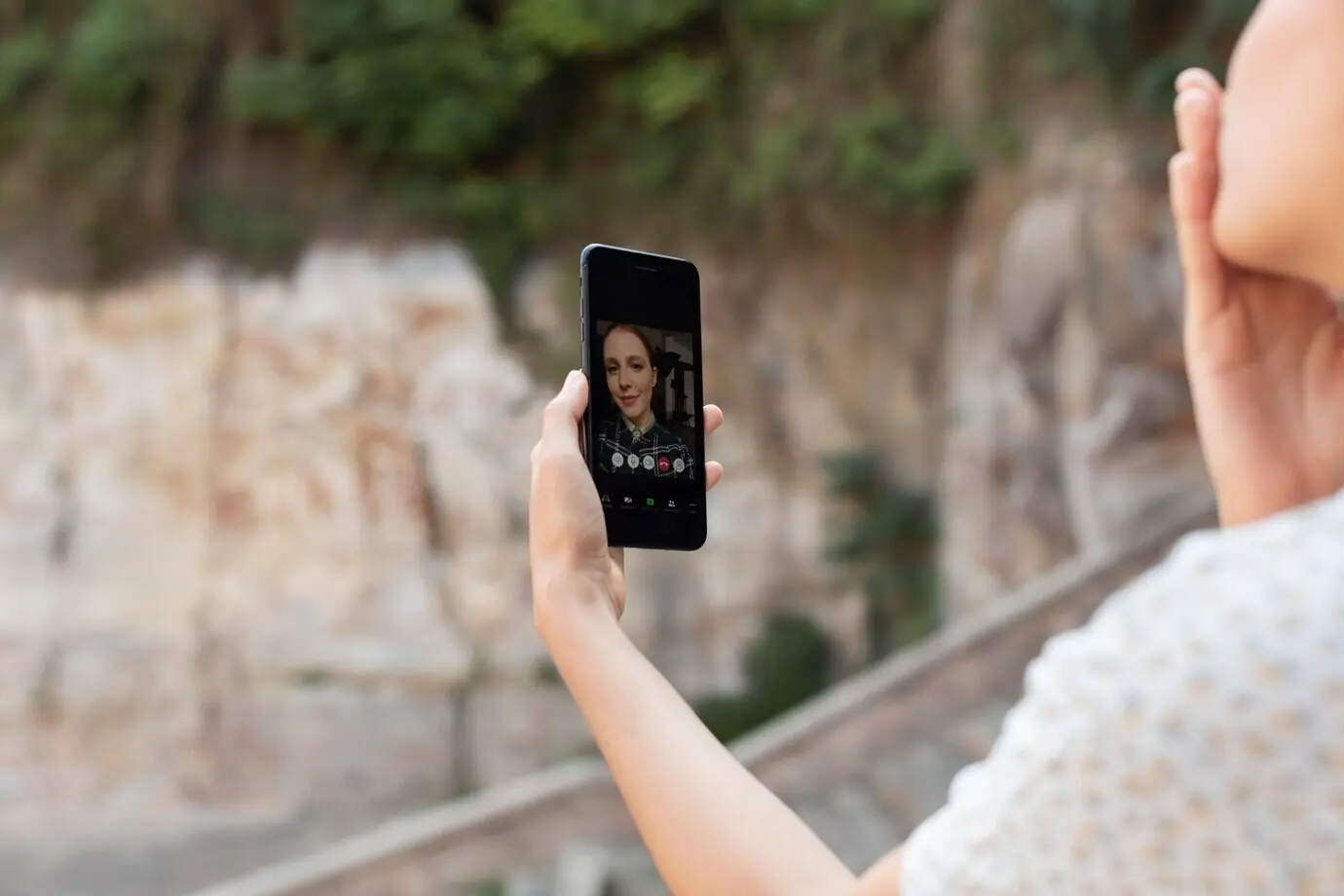
Across Canada’s diverse regions, visitors switch between English and French with ease when apps respect clarity, nuance, and regional vocabulary. Smooth toggles, mirrored interfaces, and consistent terminology matter when you are halfway through a story at a trail marker or museum gallery, ensuring families and groups understand together without repeating steps or losing context.

Screen Reader Mastery and Focused Navigation

For travelers who navigate by ear or touch, precision matters. VoiceOver and TalkBack require descriptive labels, logical focus order, and meaningful hints. Buttons need roles, states, and destinations that are predictable. When you approach a landmark, the narration should lead gently, never confusing, letting curiosity, not interface friction, set the pace forward.

Clear Labels, Roles, and Announcements That Make Sense

A button saying Play Audio should announce Play audio description of the Halifax Citadel introduction, not simply Play. Headings should summarize what comes next, and sliders announce values. When the next stop unlocks, concise alerts inform without interrupting. Little details build confidence, encouraging users to explore further streets, galleries, and unexpected waterfront views.

Predictable Focus Order With Gestures That Just Work

Focus must follow a logical path: title, summary, controls, map, and links. Swipe gestures should never skip hidden elements or trap users in map tiles. Haptic confirmations reinforce progress. In Vancouver, a visitor navigated the seawall entirely by VoiceOver, appreciating how the focus moved naturally from story to route, never losing orientation.

Tested With Real Travelers Using VoiceOver and TalkBack

Inclusive apps are co-created, not imagined. Field tests with blind travelers reveal missed alt text, confusing loops, and unlabeled map buttons that labs overlook. After a Toronto pilot walk, developers replaced cryptic icons with descriptive titles. Feedback transformed frustration into delight, proving that respectful iteration turns accessibility from checklist into everyday freedom.

Visual Comfort: Contrast, Typography, and Map Legibility

Readable screens empower longer, more joyful walks. Strong contrast, spacious line heights, and dyslexia-friendly options protect against eye strain in bright snowfields or reflective summer harbors. Color-blind-safe palettes keep routes clear. When labels stay crisp at every zoom level, orientation remains simple, and travelers spend more time looking outward than squinting inward.

Contrast and Color Choices That Survive Sun and Snow

Design should anticipate glare on ice, fogged glasses, and winter light. High-contrast text on map overlays, adjustable night mode, and color-blind-friendly route colors prevent confusion. A user in Banff praised a charcoal–teal scheme that kept trail edges distinct at twilight, keeping fatigue low and confidence high during a chilly, rewarding hike.

Typography, Sizing, and Layout That Respect Preferences

Font scaling should honor system settings without breaking layouts. Resizable captions, generous tap targets, and letter-spacing controls help many readers. When a traveler in Ottawa enlarged text for a streetcar ride, the itinerary reflowed gracefully, keeping buttons aligned and captions readable, proving kindness in type can turn minutes into memorable, relaxed hours.

Images, Icons, and Maps With Meaningful Alternatives

Every image deserves alt text that names the landmark and conveys mood. Icons should include labels, not rely on color alone. Map pins need readable names and contrast halos. When blizzards blur surroundings, reliable labels and descriptions become orientation anchors, turning uncertain paths into clearly narrated steps between shelter, viewpoints, and warm cafés.

Hearing-Friendly Storytelling and Quiet-Mode Design

Captions and Transcripts That Go Beyond Bare Minimums

Captions should reflect environmental sounds and speaker identity, not merely words. Time-synced text helps late joiners catch up. Transcripts remain readable offline for low-data travelers. A family touring Quebec City followed the citadel history entirely via captions indoors, then switched to transcripts under rain, never losing momentum or emotional nuance across changing conditions.

Audio Description That Paints What Eyes Might Miss

Audio description should describe textures, distances, gestures, and important signage. It respects pacing, leaving space for reflection. A visitor in Peggy’s Cove heard how granite curves meet crashing waves and lighthouse angles catch light at dusk, allowing a vivid mental picture to emerge, guiding careful footsteps and elevating safety alongside wonder.

Quiet Mode, Haptics, and Thoughtful Interruptions

Silence can be inclusive when vibrations politely replace sounds. Short haptic patterns can signal turns, new stops, and hazards, while captions continue guiding. If a phone call interrupts narration near a crosswalk, the app should resume clearly, recap essentials, and never bury crucial safety cues behind cluttered notifications or confusing, overlapping messages.

Mobility-Aware Routes That Respect Real Terrain

An inclusive path is more than a straight line. It considers curb cuts, gradients, surfaces, door widths, elevator reliability, and seasonal closures. Detailed metadata and live alerts replace guesswork. When apps route around stairs proactively, travelers conserve energy and enjoy longer days, turning effort into experiences instead of backtracking and unnecessary detours.
Routes should prioritize ramps, wider sidewalks, and stable surfaces. Live feeds from transit operators and municipal data help avoid sudden outages. A traveler in Calgary praised routing that avoided a long staircase during snow, choosing a covered ramp, saving strength for the museum’s upper galleries and a relaxed afternoon coffee afterward.
Small obstacles compound quickly. Apps should flag cobblestones, steep slopes, heavy doors, and icy shortcuts. Photos with context and tactile warnings help planning. Users in Old Montreal shared relief when the app recommended a slightly longer, flatter path that kept wheelchairs steady and companions comfortable, preserving energy for storytelling at the next plaza.
Elevation, lift status, and priority seating information should appear alongside routes. Clear transfer instructions and platform numbers reduce stress. After a snowy evening in Toronto, one commuter praised real-time elevator updates and a simple map overlay, which together transformed an anxious transfer into a smooth glide between stations, platforms, and welcoming station exits.

Reliability, Privacy, and Standards You Can Trust

Trust grows when technology meets care. Following the Accessible Canada Act, AODA requirements, the Official Languages Act, and WCAG 2.2 keeps promises tangible. Respectful analytics and offline-first design protect privacy and battery. We invite your stories, bug reports, and ideas, because lived experience continually sharpens accuracy, empathy, and everyday usefulness across seasons.

01

Standards as Daily Practice, Not Marketing

Compliance shines when it guides design decisions: meaningful headings, sufficient contrast, keyboard operability, and robust language metadata. Regular audits catch regressions. Publishing accessibility statements with changelogs invites accountability. When updates are shipped transparently, travelers feel confident planning big days around dependable guidance, not vague promises hidden behind glossy screenshots or buzzwords.

02

Offline Resilience and Low-Data Performance

Crisp maps, compressed audio, and cached captions keep tours smooth on rural highways or crowded festivals. Smart prefetching anticipates the next stop. If connectivity drops, turn-by-turn hints and safety notices continue. A family crossing the Confederation Bridge stayed informed without roaming charges, enjoying stories that flowed as steadily as the long, iconic span.

03

Community Feedback, Co‑Creation, and Ongoing Care

We grow with your insight. Share a barrier you encountered, a translation that felt off, or a route that impressed you. Subscribe for updates, vote on features, and join seasonal pilot walks. Together we elevate bilingual clarity and accessibility, building tours that welcome every age, language background, and ability, from coast to coast.

Polefuzokoropamiki
Privacy Overview

This website uses cookies so that we can provide you with the best user experience possible. Cookie information is stored in your browser and performs functions such as recognising you when you return to our website and helping our team to understand which sections of the website you find most interesting and useful.